Ledger.com/Start® | Getting started
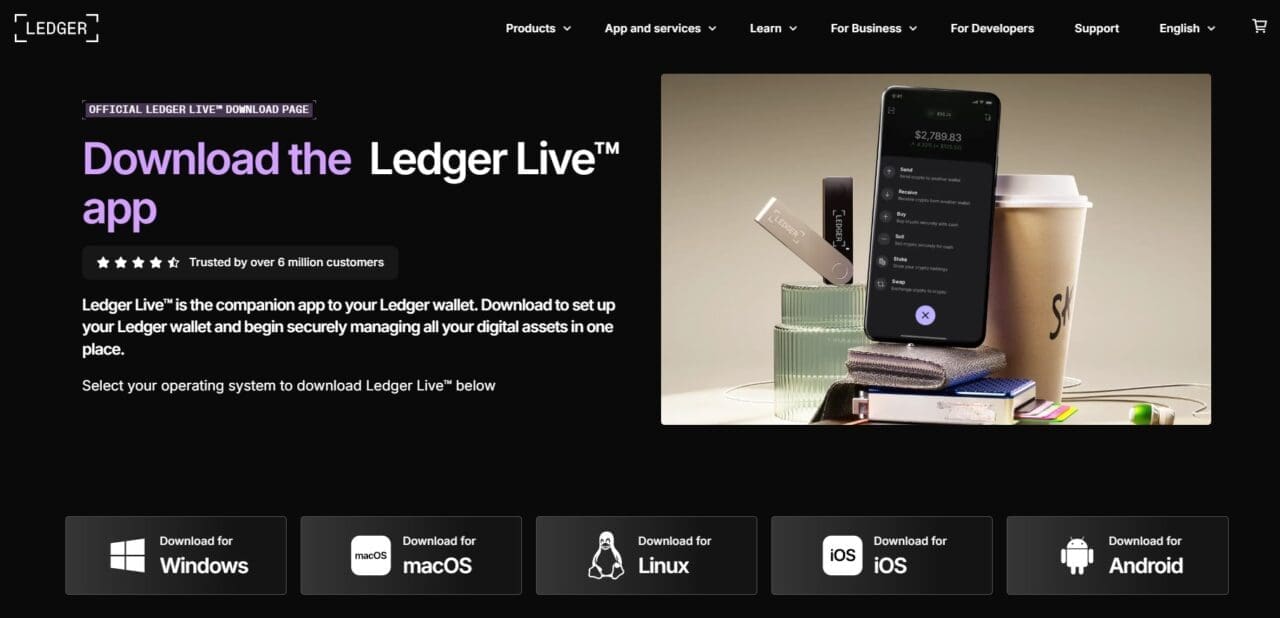
Ledger.com/start – Building Better Habits for Hardware Wallet Security
A Ledger hardware wallet can be a useful tool for people who want to manage digital assets through self-custody. However, the device's security features work best when users also follow responsible practices. Ledger.com/start provides a starting point for learning the setup process and preparing a device for use.
Understanding the First Steps
New users should approach wallet setup carefully rather than treating it as a routine software installation. The process may involve connecting the device, initializing it, configuring security credentials, and preparing recovery information.
Read instructions carefully and pay attention to information displayed directly on the hardware device.
Choose Trusted Setup Resources
One of the easiest ways to reduce phishing risk is to avoid random setup links. Cryptocurrency scammers can create pages that copy familiar branding and encourage users to enter sensitive information.
Before downloading software or following setup instructions, check the website address carefully and use trusted Ledger resources.
Recovery Information Requires Extra Care
Self-custody means taking responsibility for information that can provide access to your wallet. Your recovery phrase should therefore be treated as highly confidential.
Keep it offline and protect it against unauthorized access. Do not send it through email, text messages, social networks, or online forms.
A genuine support representative should not need your complete recovery phrase to troubleshoot a normal problem.
Review Transactions Before Approval
Wallet security does not stop once the device has been configured. Every transaction deserves attention.
When interacting with a cryptocurrency application, check the transaction information presented by your wallet before approving it. If an action looks unfamiliar or unexpected, cancel it and investigate before continuing.
This habit can help users avoid approving unwanted transactions.
Benefits of Responsible Hardware-Wallet Management
Greater Control
Self-custody gives users direct responsibility for their wallet credentials.
Dedicated Hardware
A hardware wallet provides a specialized device for important wallet operations.
Transaction Confirmation
Users can review transaction information before approving actions.
Recovery Planning
Properly protected recovery information can help restore access when a device is lost or damaged.
A Simple Security Checklist
Before considering your setup complete, make sure you:
- Understand how your device works.
- Know where your recovery information is stored.
- Have never shared your recovery phrase.
- Use trusted wallet software.
- Know how to recognize suspicious requests.
- Review transactions before confirming them.
FAQs
1. Can beginners use Ledger hardware wallets?
Yes. Beginners can learn the setup process by following the device and trusted software instructions carefully.
2. What information should never be shared?
Never disclose your recovery phrase or PIN to another person.
3. Why should unofficial downloads be avoided?
Unofficial downloads may contain malicious software or imitate legitimate wallet applications.
4. What if someone says my wallet needs an urgent security upgrade?
Do not act immediately. Verify the claim through trusted Ledger resources instead of clicking an unsolicited link.
5. Does hardware-wallet security depend on the user?
Yes. Safe device usage, secure recovery storage, and careful transaction approval are all important.
Final Thoughts
Ledger.com/start can serve as an entry point for users beginning their Ledger hardware-wallet journey. The most effective approach is to combine the device's security features with careful personal security practices. Protect your recovery information, verify setup resources, and review every important wallet action before confirming it.
Leave a comment
Log in with itch.io to leave a comment.